Wisdom Teeth Removal in Oxnard CA for Busy Families
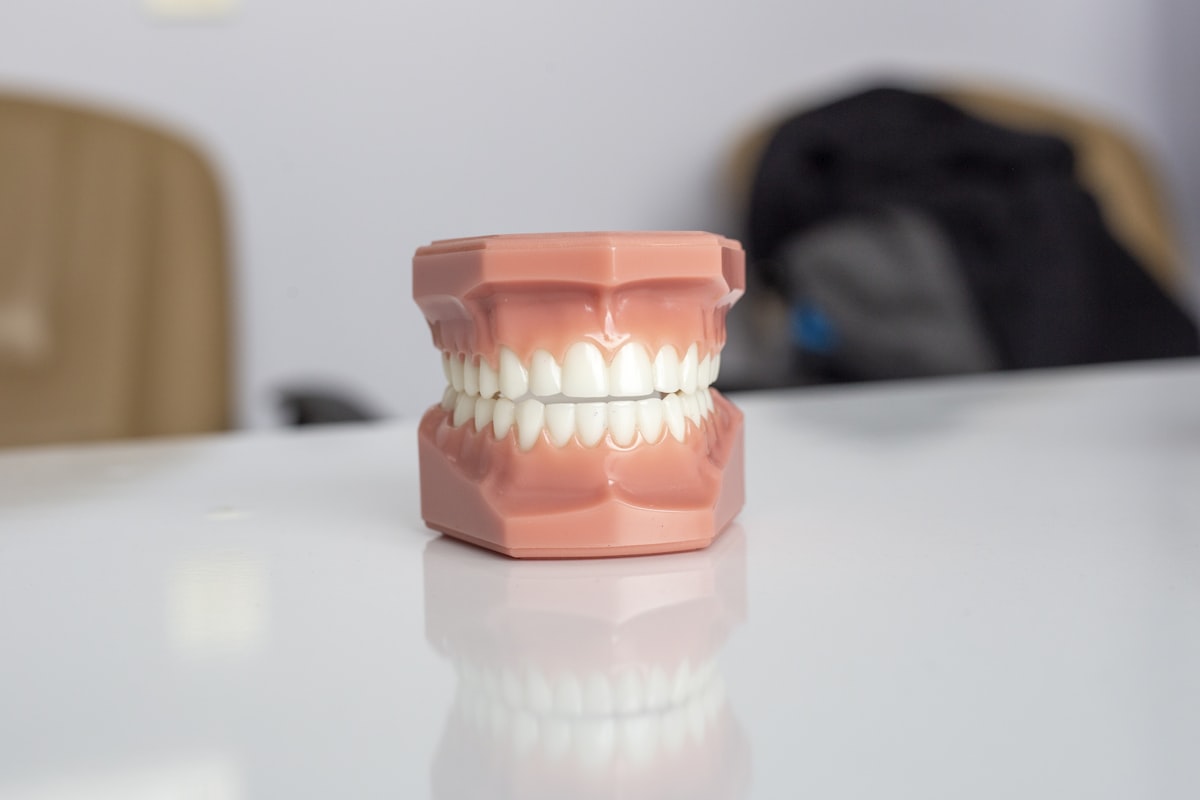
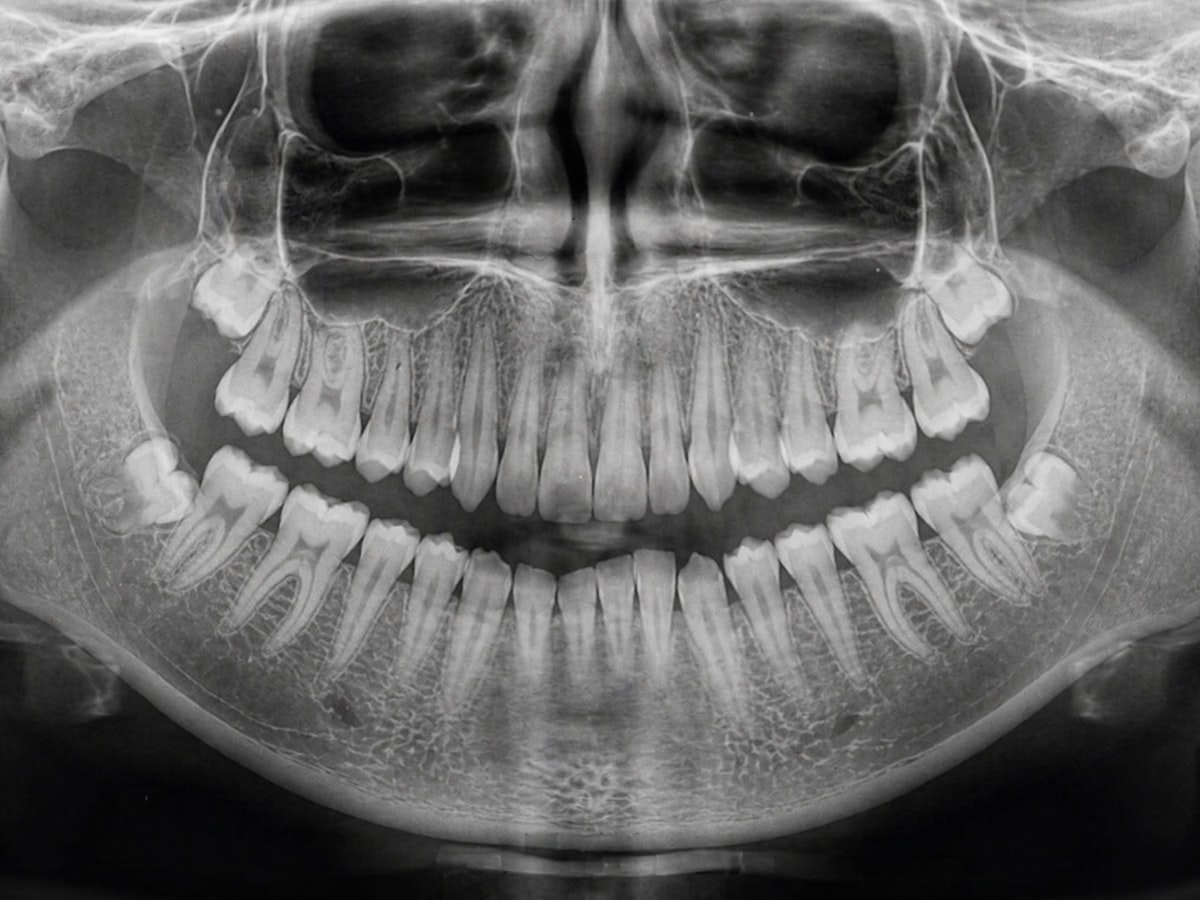
When a teenager starts complaining that the back of the jaw feels sore, or a college student comes home from school with swollen gums and headaches, wisdom teeth are often part of the story. For busy families in Oxnard, that story rarely unfolds at a convenient time. It lands in the middle of soccer practice, work shifts, school deadlines, and the ordinary chaos of trying to get everyone where they need to be.
That is one reason wisdom teeth removal deserves a practical conversation, not just a clinical one. Families usually are not only asking, “Does my child need these teeth out?” They are also asking, “How much time will this take, how uncomfortable will recovery be, and how do we fit this into real life without turning the whole week upside down?”
Those are fair questions. Wisdom teeth removal is common, but common does not mean casual. The timing matters. The type of impaction matters. The patient’s age matters. The family schedule matters more than people often admit.
In an area like Oxnard, where many households are balancing packed calendars and long workdays, planning ahead can make this experience much smoother.
Why wisdom teeth become such a recurring issue
Wisdom teeth, also called third molars, are the last adult teeth to develop. They usually begin to emerge in the late teens or early twenties, though the timeline varies. Some people have all four, some have fewer, and some never develop them at all.
The problem is often one of space. Human jaws do not always have enough room to accommodate these extra molars. When there is not enough space, the teeth may come in at an angle, stay trapped under the gum, push against neighboring teeth, or partially erupt and create a pocket where food and bacteria collect. That is when families start noticing pain, swelling, bad breath, jaw stiffness, or repeated gum irritation behind the second molars.
Not every wisdom tooth needs to be removed. That point matters. There are adults with fully erupted, well aligned wisdom teeth that function without causing harm. But in practice, many cases are less straightforward. A tooth may look quiet now and still have a poor path of eruption. Another may not hurt yet but is crowding the adjacent molar or collecting debris under a gum flap.
For that reason, wisdom teeth are often evaluated before they become an emergency. It is much easier for families to manage a planned procedure than a painful infection on a Thursday night before a school event or a work weekend.
What busy families in Oxnard often want to know first
Most families are not looking for a lecture on oral anatomy. They want to know whether this is urgent, whether their child can return to school quickly, and whether they should schedule it during summer break, winter break, or a long weekend.
Those are practical instincts, and they are often the right ones.
For many teens and young adults, the late high school or early college years are an ideal window for evaluation and, when indicated, removal. Roots may still be developing, bone tends to be more forgiving, and recovery is often easier than it is later in life. That does not mean older adults cannot have wisdom teeth removed successfully. They can. It simply means the procedure and recovery may require more careful planning.
In my experience, families usually feel the most stress when they wait until the teeth are already causing repeated flare ups. At that point, the timing is no longer theirs to choose. A patient who has had three rounds of gum swelling in six months is rarely grateful that the procedure was postponed to protect a busy calendar. The interruption becomes bigger, not smaller.
This is where experienced clinical judgment matters. A good evaluation should separate the teeth that can be monitored from the teeth that are likely to create trouble.
Signs that removal may be worth discussing sooner rather than later
Pain is the obvious sign, but it is not the only one. Some of the most important warning signs are subtle at first. A teenager may say the back molar area feels “weird” when chewing. A parent may notice persistent bad breath despite decent brushing. A college student may report that food always gets stuck on one side. Occasionally the first clue is a routine X ray showing that the tooth is pressing toward the neighboring molar.
Certain patterns tend to push the discussion toward removal. Recurrent gum infections around a partially erupted wisdom tooth are common and frustrating. Swelling can come and go, which sometimes tricks families into thinking the problem resolved on its own. It usually has not. The irritated tissue remains vulnerable, and the next episode can be more painful.
Another concern is damage to the second molar, which is the tooth just in front of the wisdom tooth. If a third molar sits at the wrong angle, it can create a trap for plaque and bacteria where the second molar is hard to clean. Families are often surprised to learn that the more valuable tooth at risk is not the wisdom tooth itself, but the healthy molar next to it.
Jaw pressure, crowding concerns, cyst formation around impacted teeth, and difficulty cleaning the area also factor into the decision. Not every patient will experience all of these issues, but even one or two can be enough to justify treatment.
Why timing matters more than many families expect
There is a narrow but useful difference between “not an emergency” and “safe to ignore.” Wisdom teeth often live in that space. A family may have months to plan, but that does not mean years of delay are harmless.
For teenagers and young adults, planned removal often fits best around predictable school breaks. Summer is popular because there is less pressure to get back into class right away. Winter break can work too, especially if the patient has several recovery days before returning to school or college. Spring break is more variable. A short break may be enough for some patients, especially if the extraction is uncomplicated, but it can feel rushed if all four wisdom teeth are impacted.
Work schedules deserve just as much attention. Parents often focus on the patient’s calendar and forget that someone usually needs to drive the patient home, supervise the first day, help with medication timing, and keep the recovery period calm. If both parents work demanding schedules, choosing a date when one adult can truly be available reduces stress for everyone.
The best timing is not always the earliest opening. It is the date that allows enough breathing room before major exams, travel, sports tournaments, performances, or shifts that cannot easily be covered.
What the consultation should accomplish
A proper consultation is more than setting a procedure date. It is the point where families should get a clear picture of what is happening under the gums and what recovery is likely to look like.
Imaging helps show whether the teeth are erupted, partially erupted, or fully impacted. It also helps the surgeon assess root shape, tooth position, and the relationship to nearby structures. For lower wisdom teeth in particular, the anatomy can influence the complexity of removal. Families do not need a dramatic explanation, but they do deserve an honest one.
The consultation should also cover medical history, medications, allergies, and prior experiences with anesthesia or sedation. This is especially important for patients with asthma, bleeding concerns, significant anxiety, or a history of difficult recovery after surgery. A one size fits all approach is not helpful here.
This is also the moment to talk openly about logistics. If a family has a student athlete who wants to know when they can return to practice, that question should be asked. If a parent is trying to coordinate around a work project or a sibling’s event, mention it. These details may seem unrelated to oral surgery, but they affect the quality of the plan.
Sedation, comfort, and what families should expect
One of the biggest sources of anxiety is uncertainty about sedation. Some patients imagine being fully aware and uncomfortable. Others assume every wisdom tooth removal requires deep sedation. The reality depends on the patient and the procedure.
Some extractions can be done with local anesthetic alone, especially when the teeth are erupted and relatively accessible. Other cases are better managed with additional sedation, particularly when multiple impacted teeth are involved or the patient is very anxious. Comfort, safety, and efficiency all matter.
Parents often ask whether their teen will remember anything, whether they will be groggy afterward, and how long the sleepy period lasts. The details depend on the medications used and the individual patient, but the broader principle is simple. Plan for a low demand day. The patient should not be expected to bounce back for errands, social plans, or online classes that afternoon just because the appointment itself was short.
That same realism helps the patient too. When families assume the day of surgery will be “no big deal,” they tend to underprepare. A calmer approach is to treat it like a genuine medical event with a manageable, temporary recovery period.
The first seventy two hours make the biggest difference
Recovery after wisdom teeth removal does not have to be dramatic, but it does reward discipline. Families who do the small things well usually have a smoother week.
The first day is about rest, bleeding control, hydration, and staying ahead of discomfort. Day two often brings the most swelling and stiffness, which surprises people who expected the first day to be the hardest. Day three can still feel slow, but many patients begin to turn the corner around then.
A simple recovery setup helps:
- Fill prescriptions ahead of time if possible.
- Have soft foods ready, such as yogurt, soup, mashed potatoes, eggs, smoothies, or oatmeal.
- Keep ice packs or cold compresses available for the first day.
- Clear the patient’s schedule for at least a couple of recovery days.
- Assign one adult to handle instructions, medications, and follow up questions.
That short list saves a lot of friction. Families often think they will “figure it out after the appointment,” but post procedure is the wrong moment to discover there is nothing soft to eat and the pharmacy is backed up.
Bleeding usually lessens over the first several hours. Mild oozing is common, and patients sometimes mistake saliva tinged with blood for heavy bleeding. Swelling, sore jaw muscles, and limited opening are also common in the early phase. Most patients can manage these issues well with the instructions provided by the treating office.
School, sports, work, and the real timeline back to normal
This is where realistic guidance matters more than optimistic guesses.
Many teens and young adults can return to school or light desk work within a few days, especially after a straightforward extraction. That said, “returning” and “feeling normal” are not the same thing. A student may be physically able to attend class while still feeling puffy, tired, or distracted. If the procedure was more complex, or if all four teeth were impacted, recovery may take longer.
Sports require more caution. Intense activity too soon can increase bleeding, worsen throbbing, and make swelling more stubborn. Contact sports and heavy conditioning deserve particular restraint. It is usually better to miss a https://beaurvls491.moderncairn.com/posts/wisdom-teeth-removal-in-oxnard-ca-a-parent-s-guide-to-teen-treatment few practices than to trigger avoidable complications. Families with athletes should ask for sport specific guidance rather than relying on a friend’s experience, because the answer can differ based on the extraction and the season.
For working adults, especially parents postponing their own wisdom teeth removal, the challenge is often underestimating recovery. Many adults try to squeeze surgery between meetings and childcare obligations. They assume they can “power through” because they have done so with other health issues. Wisdom teeth do not always cooperate with that plan. The older the patient, the more worthwhile it is to protect recovery time.
Common recovery mistakes that create avoidable problems
The classic misstep is doing too much too soon. A patient feels decent the evening after surgery, eats something crunchy, skips hydration, or decides to hang out with friends the next day. That often leads to more pain and a rougher second or third day.
Another mistake is poor food choices. Chips, popcorn, seeds, and similar foods are a nuisance after oral surgery because they break into small fragments and can irritate healing areas. Very hot foods can also be uncomfortable early on. Soft, bland, easy meals are not exciting, but they are effective.
Then there is the problem of incomplete cleaning. Patients sometimes become so afraid of disturbing the area that they avoid oral hygiene altogether. That tends to backfire. The mouth still needs gentle care. Families should follow the office’s instructions closely about brushing, rinsing, and keeping the area reasonably clean without being aggressive.
These are the complications that tend to deserve quick attention from the dental office:
- Bleeding that stays heavy instead of gradually easing
- Fever or worsening swelling after the first few days
- Pain that spikes sharply rather than improving
- Trouble swallowing or breathing
- A bad taste or drainage that suggests infection
Most recoveries do not involve these issues, but when they appear, early communication matters.
Cost, insurance, and how families can plan without surprises
For many households, the financial side is as stressful as the procedure itself. Costs can vary based on how many teeth are removed, whether the teeth are erupted or impacted, the type of imaging used, and the anesthesia or sedation involved. That range is one reason families should ask for a written estimate before scheduling.
Insurance may cover part of the treatment, but coverage differs widely. Deductibles, annual maximums, and age related limitations can all affect the final out of pocket amount. It is worth asking the office to explain what is estimated, what is not guaranteed, and what might change if the procedure is more complex than expected.
Families in Oxnard who are comparing practices should not shop on price alone. Lower fees can be attractive, but the cheapest option is not always the easiest recovery or the clearest communication. A well organized office that explains instructions thoroughly, answers questions promptly, and handles scheduling smoothly often saves families far more stress than a modest difference in the initial quote.
Why local convenience matters more than people think
When families search for Wisdom Teeth Removal Oxnard CA, convenience is not a shallow concern. It is part of the care experience. A local office can make pre op visits, imaging, procedure day, and follow up more manageable. That matters when parents are juggling work or when a college student is only in town for a short break.
There is also a recovery advantage to staying close to home. Long drives after oral surgery are rarely pleasant. A patient who is sleepy, sore, and holding gauze in the back seat usually does better with a short trip. If a question comes up later that day or the next morning, it is reassuring to know the treating office is nearby.
For families with more than one child, local scheduling matters too. Wisdom teeth have a way of clustering by age. It is not uncommon for one sibling to need an evaluation while another is already heading toward treatment a year or two later. Establishing care with a team that understands the family’s calendar can make those repeat encounters much easier.
Teens, college students, and adults do not all need the same approach
A high school junior with early impaction, a college sophomore home for winter break, and a forty year old parent dealing with a problematic lower wisdom tooth may all need removal, but their treatment planning will not look identical.
Teens often benefit from earlier evaluation because there is more flexibility in timing. Parents usually manage transportation, aftercare, and communication, so the process can be tightly organized if planned ahead.
College students bring a different wrinkle. They may live away from home, delay treatment because the semester is busy, then suddenly try to fit surgery into a narrow holiday window. This can work well if the planning happens before they come home, not after. Waiting until the student is already back in Oxnard to start from scratch can leave too little time for consultation, insurance verification, and recovery before they have to return to campus.
Adults frequently face the greatest scheduling resistance. They are managing work, childcare, and sometimes a stronger fear response because they have postponed the issue for years. Yet many adults are relieved after treatment. Chronic gum irritation, intermittent swelling, or food trapping in the back of the mouth can be more draining than they realized.
The best outcome is usually the least dramatic one
Families sometimes expect wisdom teeth removal to be either a horror story or a complete non event. It is usually neither. When the need is identified early, the plan is thoughtful, and recovery instructions are followed, the experience tends to be uneventful in the best sense of the word.
That is the goal. Not heroics, not last minute scrambling, not guessing based on social media stories. Just careful timing, good clinical judgment, and enough preparation that the procedure becomes a short chapter instead of a long disruption.
For busy families in Oxnard, that kind of planning is not a luxury. It is what turns a stressful dental issue into something manageable. If wisdom teeth are starting to make themselves known, the smartest next step is often a straightforward evaluation before the calendar, or the pain, makes the decision for you.
Oxnard Dentistry
1730 E Gonzales Rd
Oxnard, CA 93036, United States
Phone: +1 805-307-8731
FAQ About Wisdom Teeth Removal Oxnard CA
How much does it cost to get wisdom teeth removed in California?
Fees depend on tooth position, the number of extractions, imaging and anesthesia. Oxnard Dentistry can provide an individual estimate after examining your teeth. Ask for an itemized plan and confirm insurance benefits before scheduling.
Will insurance cover wisdom teeth removal?
Coverage and out-of-pocket costs vary by policy and the treatment required. Ask the dental office and your insurer to verify benefits, annual limits and any authorization requirements. A benefit estimate does not guarantee payment.
Is 30 too old to have wisdom teeth removed?
Age alone does not determine whether extraction is appropriate. A dentist evaluates symptoms, tooth position, oral health and medical history. Healthy, functional wisdom teeth may be monitored; teeth causing disease or other problems may need treatment.
Ends · LOUISYLRK156